Planning is the foundation of success for any organization, business, or individual. Without proper planning, goals become unclear, resources are wasted, and progress becomes inconsistent. Understanding the types of planning helps organizations prepare for the future, manage uncertainty, and achieve their objectives efficiently. Planning provides direction, reduces risks, improves coordination, and ensures optimal use of resources.
In business management, planning is considered the first and most critical function. It influences all other functions, including organizing, staffing, directing, and controlling. There are different types of planning, each serving a specific purpose and timeframe. Some focus on long-term goals, while others deal with daily activities.
This article explains the major types of planning, their features, importance, examples, and differences. Whether you are a student, business owner, or manager, understanding these planning types will help you make better decisions and improve performance.
What Are the Types of Planning?
The types of planning refer to different approaches organizations use to set goals and determine actions to achieve them. Each type focuses on different time horizons and organizational levels.
Main Types of Planning at a Glance
| Type of Planning | Time Frame | Level | Purpose |
|---|---|---|---|
| Strategic Planning | Long-term (3–10 years) | Top-level management | Defines overall direction |
| Tactical Planning | Medium-term (1–3 years) | Middle-level management | Implements strategic plans |
| Operational Planning | Short-term (daily to 1 year) | Lower-level management | Manages daily operations |
| Contingency Planning | As needed | All levels | Handles emergencies |
| Financial Planning | Long and short-term | Finance department | Manages financial resources |
These types of planning work together to ensure organizations achieve their goals effectively.
What Is Planning and Why Is It Important?
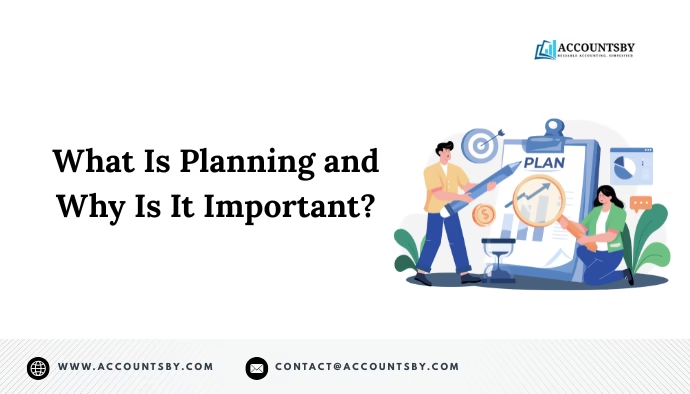
Planning is the process of setting goals and deciding in advance how to achieve them. It involves analyzing the current situation, forecasting future conditions, and selecting the best course of action. Without planning, organizations operate blindly and react to situations instead of controlling them.
Planning is important because it provides clarity and direction. It helps organizations anticipate challenges and prepare solutions. By understanding the different types of planning, managers can align their activities with company objectives.
Planning also improves efficiency. It ensures resources such as time, money, and manpower are used properly. Furthermore, planning reduces risks and uncertainties. Organizations that use proper planning methods are more likely to succeed and grow sustainably.
Planning also enhances coordination among departments. When everyone follows a clear plan, teamwork improves, and conflicts decrease. Overall, the different types of planning provide structure and support long-term success.
Strategic Planning: Long-Term Direction and Vision
Strategic planning is one of the most important types of planning. It focuses on long-term goals and defines the overall direction of an organization. This type of planning is usually done by top-level management, such as CEOs and directors.
Strategic planning involves analyzing internal strengths and weaknesses and external opportunities and threats. It helps organizations determine where they want to be in the future and how to get there.
Key Features of Strategic Planning
| Feature | Description |
|---|---|
| Long-term focus | Usually 3–10 years |
| Done by top management | Executives and leaders |
| Focus on overall goals | Company growth and expansion |
| Future-oriented | Prepares for long-term success |
For example, a company may plan to expand into international markets. This is a strategic plan because it involves long-term vision and major decisions.
Strategic planning is one of the most critical types of planning because it guides all other planning activities.
Tactical Planning: Converting Strategy into Action
Tactical planning focuses on implementing strategic plans. It is one of the essential types of planning that translates long-term goals into specific actions. Tactical planning is usually handled by middle-level managers such as department heads.
This type of planning focuses on medium-term objectives, usually covering one to three years. Tactical planning ensures that departments contribute to strategic goals effectively.
Tactical Planning Example
| Strategic Goal | Tactical Plan |
|---|---|
| Expand market share | Increase marketing campaigns |
| Improve customer service | Train customer support team |
| Increase revenue | Launch new products |
Tactical planning ensures coordination between departments. It bridges the gap between strategic planning and operational planning. Without tactical planning, strategic goals cannot be implemented effectively.
Among the various types of planning, tactical planning plays a key role in execution.
Operational Planning: Managing Daily Activities
Operational planning focuses on daily and short-term activities. It is one of the most practical types of planning, as it deals with routine tasks and processes. Operational planning is usually handled by supervisors and lower-level managers.
This type of planning ensures that daily operations run smoothly and efficiently. It includes scheduling, assigning tasks, managing resources, and monitoring performance.
Features of Operational Planning
| Feature | Description |
|---|---|
| Short-term focus | Daily, weekly, or monthly |
| Detailed plans | Specific tasks and actions |
| Focus on execution | Ensures smooth operations |
| Managed by supervisors | Lower-level management |
For example, creating employee work schedules is part of operational planning.
Operational planning is one of the most important types of planning because it ensures that daily activities align with organizational goals.
Contingency Planning: Preparing for Unexpected Situations
Contingency planning is one of the most protective types of planning. It prepares organizations for unexpected situations such as economic crises, natural disasters, or system failures.
Contingency planning involves identifying potential risks and developing backup plans. This ensures organizations can continue operating even during emergencies.
Examples of Contingency Planning
| Risk | Contingency Plan |
|---|---|
| System failure | Backup servers |
| Employee shortage | Temporary staffing |
| Economic downturn | Cost reduction strategies |
Contingency planning reduces uncertainty and improves organizational resilience. Among all types of planning, contingency planning focuses specifically on risk management.
Organizations that use contingency planning recover faster from disruptions.
Financial Planning: Managing Financial Resources
Financial planning is one of the most critical types of planning for business sustainability. It focuses on managing income, expenses, investments, and budgets.
Financial planning ensures organizations have enough funds to operate and grow. It helps managers allocate resources efficiently and avoid financial problems.
Components of Financial Planning
| Component | Purpose |
|---|---|
| Budgeting | Controls expenses |
| Forecasting | Predicts future financial needs |
| Investment planning | Ensures growth |
| Cash flow management | Maintains liquidity |
Financial planning supports both short-term operations and long-term goals. It is one of the essential types of planning that ensures financial stability.
Short-Term vs Long-Term Planning
Understanding the difference between short-term and long-term planning is essential when studying the types of planning. Both are important and serve different purposes.
Comparison Table
| Feature | Short-Term Planning | Long-Term Planning |
|---|---|---|
| Duration | Less than 1 year | More than 3 years |
| Focus | Daily operations | Future growth |
| Level | Lower management | Top management |
| Example | Work schedules | Business expansion |
Short-term planning focuses on immediate needs, while long-term planning focuses on future goals. Both are important types of planning that work together to ensure success.
Importance of Different Types of Planning in Organizations
The different types of planning provide several benefits to organizations. Planning improves efficiency, productivity, and coordination. It ensures everyone works toward the same goals.
Planning also reduces uncertainty and prepares organizations for future challenges. It helps managers make informed decisions and allocate resources effectively.
Planning improves communication within the organization. When employees understand their roles and goals, performance improves.
Organizations that use proper planning achieve better results. The various types of planning ensure both short-term efficiency and long-term success.
Planning also helps organizations remain competitive. It allows them to adapt to market changes and take advantage of opportunities.
Differences Between Strategic, Tactical, and Operational Planning
| Feature | Strategic Planning | Tactical Planning | Operational Planning |
|---|---|---|---|
| Time Frame | Long-term | Medium-term | Short-term |
| Level | Top management | Middle management | Lower management |
| Focus | Overall direction | Department goals | Daily tasks |
| Example | Expansion plans | Marketing strategy | Work schedules |
These are the three core types of planning used in most organizations.
Each type plays a different role, but all work together to achieve organizational success.
Final Words
Understanding the types of planning is essential for effective management and organizational success. Planning provides direction, improves efficiency, and reduces risks. Without planning, organizations struggle to achieve their goals and manage resources properly.
Strategic planning focuses on long-term vision, tactical planning converts strategies into actions, and operational planning manages daily activities. Contingency planning prepares organizations for emergencies, while financial planning ensures financial stability.
All these types of planning work together to create a strong foundation for success. Organizations that use proper planning methods perform better, grow faster, and handle challenges effectively.
Whether you are managing a business, studying management, or planning personal goals, understanding the types of planning will help you make better decisions and achieve long-term success.