Planning is one of the most essential functions of management that helps organizations achieve their goals efficiently. Whether it is a small business, large corporation, or personal project, planning provides direction, reduces uncertainty, and improves decision-making. Understanding the types of planning is crucial for managers, entrepreneurs, and students because it allows them to select the right strategy for achieving specific objectives.
In management, planning involves defining goals, determining resources, and creating action steps to accomplish those goals. Without proper planning, organizations may face confusion, inefficiency, and failure. This guide explains what is planning and types of planning, the planning process, and the 10 major types of planning in management with examples and tables. By the end, you will clearly understand what are the different types of planning, how many types of planning, and how each type contributes to organizational success.
Quick Answer:
The types of planning are strategic planning, tactical planning, operational planning, contingency planning, corporate planning, functional planning, short-term planning, long-term planning, proactive planning, and reactive planning. These types of planning help organizations set goals, manage resources, and achieve objectives effectively through a structured planning process.
What are the Types of Planning?
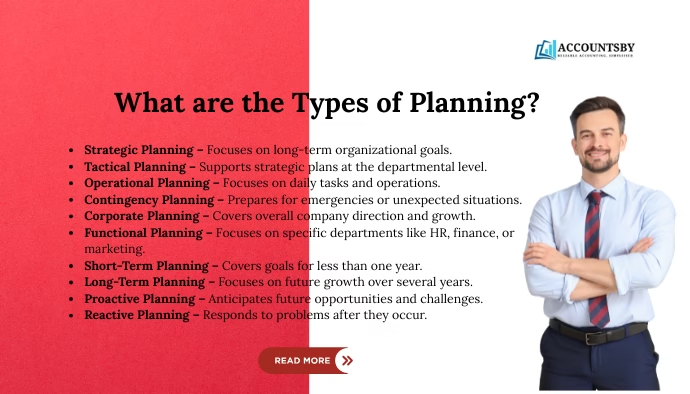
The types of planning refer to different approaches organizations use to achieve goals based on time, scope, and purpose. The 10 major types of planning include strategic planning, tactical planning, operational planning, contingency planning, corporate planning, functional planning, short-term planning, long-term planning, proactive planning, and reactive planning.
These types of planning help organizations prepare for the future, manage resources, reduce risks, and improve performance. For example, strategic planning focuses on long-term goals, while operational planning focuses on daily activities. Understanding what are the types of planning helps managers align activities with business objectives and ensures efficient management. The planning process starts with setting objectives, analyzing the environment, and selecting the best course of action.
What is Planning and Types of Planning? (Planning Definition)
Before understanding the types of planning, it is important to understand what is planning. Planning definition refers to the process of setting goals and deciding in advance how to achieve them. It involves thinking ahead, analyzing situations, and preparing strategies.
Management expert Henri Fayol identified planning as the primary function of management. According to him, planning involves forecasting the future and preparing action plans accordingly.
Planning in management includes:
- Setting objectives
- Identifying resources
- Determining tasks
- Establishing timelines
- Monitoring progress
The types of planning in management differ based on scope, time, and purpose. Understanding these helps managers organize activities efficiently and reduce uncertainty.
The Planning Process: Step-by-Step Explanation
The planning process is a systematic approach that managers follow to create effective plans. The first step in the process of planning is to: set clear objectives. Without clear objectives, planning cannot succeed.
Steps in the Planning Process
| Step | Description |
|---|---|
| 1. Set Objectives | Define goals clearly |
| 2. Analyze Environment | Study internal and external factors |
| 3. Identify Alternatives | Explore different options |
| 4. Evaluate Alternatives | Compare advantages and disadvantages |
| 5. Select Best Plan | Choose the most effective option |
| 6. Implement Plan | Execute the plan |
| 7. Monitor and Review | Track performance and make improvements |
This planning process applies to all types of planning and ensures structured decision-making.
How Many Types of Planning Exist in Management?
Many experts classify planning into different categories. However, the most widely accepted structure includes 10 major types of planning. These types of planning help organizations manage long-term goals, short-term tasks, risks, and unexpected situations.
Management expert Peter Drucker emphasized that planning is essential for organizational effectiveness and future success. He explained that planning helps managers prepare for uncertainty and achieve desired results.
Understanding how many types of planning exist helps managers select appropriate strategies based on organizational needs.
Overview of the 10 Types of Planning
| Type of Planning | Focus | Time Frame | Example |
|---|---|---|---|
| Strategic Planning | Long-term goals | 3–10 years | Expansion strategy |
| Tactical Planning | Mid-level goals | 1–3 years | Marketing strategy |
| Operational Planning | Daily operations | Short-term | Work schedules |
| Contingency Planning | Emergency situations | As needed | Disaster recovery |
| Corporate Planning | Overall company direction | Long-term | Corporate growth |
| Functional Planning | Department-specific | Medium-term | HR hiring plan |
| Short-Term Planning | Immediate goals | Less than 1 year | Monthly targets |
| Long-Term Planning | Future growth | Multiple years | Investment plans |
| Proactive Planning | Future opportunities | Long-term | Innovation planning |
| Reactive Planning | Response planning | Immediate | Crisis management |
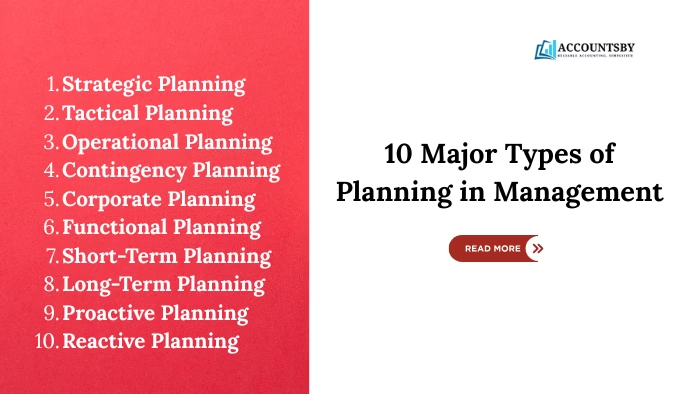
10 Major Types of Planning in Management
1. Strategic Planning
Strategic planning is one of the most important types of planning. It focuses on long-term goals and overall direction of the organization. This planning is usually done by top-level management and includes defining the mission, vision, and objectives. Strategic planning helps organizations remain competitive and adapt to market changes. It involves analyzing strengths, weaknesses, opportunities, and threats (SWOT analysis). Strategic planning ensures long-term growth and sustainability. It is essential in planning in management because it provides direction and purpose.
2. Tactical Planning
Tactical planning supports strategic planning by focusing on specific actions required to achieve strategic goals. It is usually done by middle-level managers. Tactical planning defines how departments will contribute to overall objectives. This type of planning includes marketing plans, financial plans, and resource allocation. Tactical planning ensures coordination between different departments. Among the types of planning in management, tactical planning helps bridge the gap between strategy and execution.
3. Operational Planning
Operational planning focuses on daily activities and routine operations. It ensures that organizational tasks are completed efficiently. This planning is short-term and involves scheduling, assigning tasks, and monitoring performance. Operational planning is essential because it ensures smooth functioning of daily operations. It is one of the most practical types of planning and directly impacts productivity and efficiency.
4. Contingency Planning
Contingency planning prepares organizations for unexpected situations such as economic crises, disasters, or emergencies. This type of planning helps organizations respond quickly and reduce risks. Contingency planning improves organizational resilience and ensures business continuity. It is an essential part of planning in management because uncertainty is unavoidable.
5. Corporate Planning
Corporate planning focuses on overall organizational growth and development. It involves setting company-wide objectives and strategies. Corporate planning includes expansion, diversification, and investment decisions. It aligns all departments with the organization’s long-term vision. Corporate planning is one of the key types of planning in management for organizational success.
6. Functional Planning
Functional planning focuses on specific departments such as marketing, finance, or human resources. Each department creates plans based on organizational objectives. Functional planning ensures that departmental activities align with overall goals. It improves efficiency and coordination. This is one of the most common types of planning used in organizations.
7. Short-Term Planning
Short-term planning focuses on immediate goals and objectives. These plans usually cover weeks, months, or one year. Short-term planning helps organizations achieve quick results and manage daily operations. It is essential for monitoring performance and making adjustments. Short-term planning is one of the practical types of planning in management.
8. Long-Term Planning
Long-term planning focuses on future growth and development. It includes investment decisions, expansion plans, and innovation strategies. Long-term planning helps organizations prepare for future challenges and opportunities. It ensures sustainability and competitive advantage. Among all types of planning, long-term planning is essential for organizational success.
9. Proactive Planning
Proactive planning focuses on anticipating future opportunities and challenges. It involves preparing in advance rather than reacting to events. Proactive planning helps organizations stay ahead of competitors. It improves innovation and strategic thinking. This is one of the most effective types of planning for growth and success.
10. Reactive Planning
Reactive planning focuses on responding to unexpected situations. It involves solving problems after they occur. Although reactive planning is not ideal, it is sometimes necessary. Organizations use reactive planning to handle emergencies and crises. This type of planning ensures quick response and damage control.
Importance of Types of Planning in Management
Understanding the types of planning in management is essential because planning provides direction, improves efficiency, and reduces risks. Planning helps managers make better decisions and allocate resources effectively. It also improves coordination and communication within the organization.
Benefits of planning include:
- Clear organizational direction
- Improved efficiency
- Better decision-making
- Reduced uncertainty
- Improved coordination
- Increased productivity
All types of planning contribute to organizational success and long-term growth.
Final Words
Planning is the foundation of successful management and organizational growth. Understanding the types of planning helps managers prepare for the future, achieve goals, and manage resources efficiently. From strategic planning to operational planning, each type plays a unique role in achieving success. The planning process begins with setting objectives and continues through implementation and monitoring.
Organizations that understand what is planning and types of planning can make better decisions and remain competitive in the market. Whether it is short-term operational planning or long-term strategic planning, each type contributes to efficiency and effectiveness. By learning what are the different types of planning, managers can select the best approach for their needs and ensure long-term organizational success.